The Effects of Inflammation in Animals

The Effects of Inflammation in Animals
Inflammation is a natural response of the body to injury or infection, but when it becomes chronic, it can lead to various health issues in our furry friends. Understanding the effects of inflammation on dogs is crucial for ensuring their well-being and longevity.

What is Inflammation?


Inflammation is the body’s way of protecting itself by removing harmful stimuli, such as pathogens, damaged cells, or irritants. It involves the immune system releasing white blood cells and other substances to fight off infection or heal an injury. While acute inflammation is beneficial and necessary, chronic inflammation can be harmful.


Common Causes of Inflammation in Dogs


  1. Infections: Bacterial, viral, or fungal infections can trigger an inflammatory response.
  2. Allergies: Environmental allergens, food allergies, or flea bites can cause chronic inflammation.
  3. Autoimmune Diseases: Conditions like lupus or rheumatoid arthritis cause the immune system to attack the body’s own tissues.
  4. Obesity: Excess weight can lead to inflammation in joints and other tissues.
  5. Poor Diet: Diets high in processed foods and low in essential nutrients can contribute to inflammation.


Symptoms to Watch For


  • Redness and Swelling: Visible signs of inflammation, especially around joints or wounds.
  • Pain and Stiffness: Dogs may show signs of discomfort or reluctance to move.
  • Lethargy: Chronic inflammation can cause fatigue and decreased activity levels.
  • Loss of Appetite: Inflammation can affect a dog’s digestive system, leading to reduced appetite.
  • Skin Issues: Persistent itching, rashes, or hot spots can be signs of inflammatory skin conditions.


Long-Term Effects


Chronic inflammation can lead to serious health problems, including:


  • Arthritis: Inflammation in the joints can cause pain and mobility issues.
  • Heart Disease: Inflammatory processes can affect the heart and blood vessels.
  • Diabetes: Chronic inflammation is linked to insulin resistance and diabetes.
  • Cancer: Long-term inflammation can increase the risk of certain cancers.


How to Manage and Prevent Inflammation


  1. Healthy Diet: Feed your dog a balanced diet rich in anti-inflammatory foods like fish oil, turmeric, flax seed, and leafy greens.
  2. Regular Exercise: Keep your dog active to maintain a healthy weight and reduce inflammation.
  3. Veterinary Care: Regular check-ups can help detect and manage inflammation early.
  4. Supplements: Consider supplements like omega-3 fatty acids, glucosamine, chondroitin, green lipped mussel, to support joint health.
  5. Stress Reduction: Minimize stress through regular play, mental stimulation, and a calm environment.


Conclusion


By understanding and addressing the causes and effects of inflammation, we can help our dogs lead healthier, happier lives. If you notice any signs of chronic inflammation in your pet, consult your veterinarian for a proper diagnosis and treatment plan.

INGREDIENT SPOTLIGHT


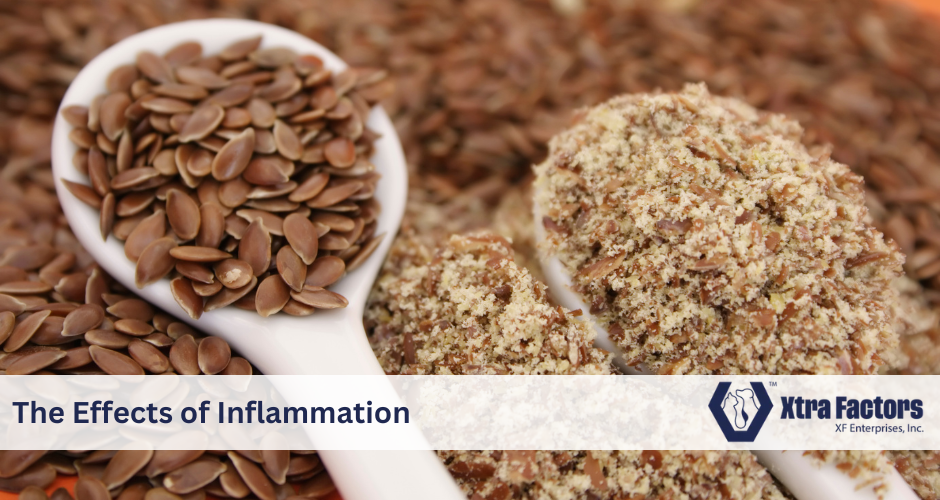
Flaxseed can be a great addition to your dog’s diet, offering several health benefits:

  1. Rich in Omega-3 and Omega-6 Fatty Acids: These essential fatty acids help maintain a healthy coat and skin, reduce inflammation, and support overall cardiovascular health.
  2. Lignans: These compounds have antioxidant properties that can help fight cancer and improve cardiovascular health
December 7, 2025
When you’re building or scaling a pet brand, choosing the right manufacturing partner is one of the most important decisions you’ll ever make. Your manufacturer doesn’t just “make your product” — they become the engine behind your brand’s quality, consistency, safety, and reputation. The wrong partnership can stall growth, create costly delays, or even damage customer trust. The right one can elevate your brand, unlock innovation, and help you scale smoothly. But with dozens of private-label and contract manufacturers out there, and each promising excellence, how do you know who’s truly the right fit? This guide walks you through what actually matters when selecting a manufacturing partner for pet food, treats, toppers, supplements, or any premium product in today’s rapidly growing pet industry. You’ll learn what questions to ask, what red flags to watch for, and how to evaluate a partner’s capabilities with confidence. Start With Their Expertise — Not Just Their Equipment Many brands start by asking about machinery, minimums, or pricing. While those matter, product expertise is a far more powerful starting point. A strong manufacturing partner understands your category deeply. If you create dehydrated or freeze-dried diets, you need a manufacturer who specializes in low-moisture processing — not just someone who also produces kibble and “can probably make it work.” If your brand focuses on functional supplements, you need a partner with real experience working with active ingredients that require precision, stability testing, and proper dosing. Ask them: What categories do you produce most frequently? What product types are you best at? What percentage of your business is devoted to brands like mine? You’re not just buying production capacity — you’re buying their accumulated knowledge. A manufacturer aligned with your product category will naturally make better recommendations, avoid common mistakes, and deliver a smoother experience overall. Quality Standards Are Non-Negotiable Every manufacturer will tell you they “care about quality.” But quality in pet nutrition isn’t a slogan — it’s a system. You want a partner who can clearly explain their quality program, from ingredient sourcing to testing protocols to traceability. They should be able to demonstrate exactly how they prevent contamination, maintain consistency, verify nutrient levels, and stay compliant with AAFCO and FDA requirements. A quality-driven manufacturer will make this easy for you. They’ll walk you through their process. They’ll have documentation ready. They’ll talk about audits, certifications, and controls without hesitation. If a manufacturer can’t articulate their quality system clearly, chances are they don’t have one that’s truly robust. Transparency Builds Trust Your manufacturer should never feel like a black box. A trustworthy partner makes room for your involvement. They welcome questions. They show you how things work. They keep communication open and predictable, so you know what’s happening with your project at every stage. If a manufacturer becomes vague when you ask about processes, avoids direct answers, or rushes you off the phone — that’s a sign they value volume, not partnership. Transparency builds long-term relationships. And relationships are the foundation of a successful pet brand. Communication Can Make or Break a Project One of the biggest frustrations pet brands experience isn’t quality issues — it’s the lack of communication. A great manufacturing partner understands that delays, bottlenecks, and adjustments happen, but they keep you informed. They update you without you chasing them. They provide timelines that are realistic, not overly optimistic. You should never feel in the dark about: Your production date Your testing results Your inventory status Your next steps Any potential issues If communication is poor during the quoting or discovery phase, it will not magically improve after you sign. Innovation Matters More Today Than Ever The pet industry is changing fast. Consumers expect human-grade ingredients, functional benefits, sustainable sourcing, and unique formats. Your manufacturer should not only keep up — they should help you stay ahead. A strong partner can help you: Improve formulas for stability, nutrition, and cost Develop new product ideas Adjust to changing ingredient markets Find functional ingredients that align with trends Scale formulas without compromising quality If they don’t bring ideas to the table, or if every new question is met with “we don’t do that,” you’re not working with an innovation-driven partner. Capacity, Lead Times, and Scalability A manufacturer can check every box — but if they cannot meet your timeline, quantities, or projected growth, the partnership will break down quickly. Talk openly about: Current production capacity Average lead times Their ability to scale as you grow How they prioritize smaller vs. larger clients You want a manufacturer who can support you today but also grow with you tomorrow. Red Flags That Signal Future Problems These warning signs often indicate deeper issues that will cost you time, money, and stress: They refuse or hesitate to give documentation. Quality-minded facilities have nothing to hide. They make unrealistic promises. If lead times or launch dates sound too good to be true, they usually are. You can’t get consistent contact with a project manager. Disorganization now means chaos later. They can’t explain their processes. That often means they lack standardization — a dangerous sign in manufacturing. Everything feels rushed. A good partner wants your product to be right, not just fast. When you see multiple red flags, trust your intuition. There are plenty of manufacturers — you don’t need to settle. Pricing Should Be Considered Last — Not First Cost matters. But cheap manufacturing always comes at a cost somewhere else: lower-quality ingredients, weaker testing, slower timelines, or inconsistent batches. A professional, established partner may cost slightly more upfront — but they save you from product failures, recalls, marketplace complaints, and reformulations. Choose value, not the lowest bid. Your Final Evaluation Tool: The Capability & Confidence Checklist Here is a lean, streamlined checklist you can use when interviewing potential manufacturing partners. It’s the only list in this article — and it covers everything that truly matters: ✔ The Capability & Confidence Checklist Use this to score each potential partner from 1–5 in each category: Category Expertise – They specialize in your product type and understand your format. Quality & Safety Systems – They have clear, documented, verifiable processes. Transparency – They answer questions openly and welcome involvement. Communication – Timely, clear, proactive communication from the start. Innovation Support – They help refine ideas, formulas, and new concepts. Capacity & Scalability – They can meet your needs now and in the future. Reliability – Their timelines, answers, and expectations remain consistent. Cultural Fit – They feel like a team you’d want to work with long-term. Pricing Alignment – Their pricing matches your financial model and quality goals. If a manufacturer scores high in most of these areas, you’ve found a solid partner. If they fall short in several — especially transparency, quality, and communication — keep looking. Final Thoughts Choosing a manufacturing partner for your pet brand isn’t just a procurement decision. It’s a strategic investment in your brand’s future. The right partner brings expertise, reliability, innovation, and quality that elevates your entire business. The wrong one slows you down and creates barriers at every turn. Take your time. Ask questions. Trust your instincts. And remember — a great manufacturer isn’t just producing your product. They’re helping you build a brand that pet parents trust and pets love.
October 2, 2025
If you’ve walked into a pet store or scrolled through online retailers lately, you’ve probably noticed something new: dehydrated diets are popping up everywhere. Once considered a niche category, dehydrated pet food has quickly grown into one of the fastest-rising segments of the pet food industry . So why are dehydrated diets suddenly in the spotlight? The short answer: they deliver what modern pet parents are looking for — more nutrition, less processing, clean labels, and convenience. At Xtra Factors , we partner with pet brands of all sizes to bring dehydrated products to life, from concept and formulation all the way to manufacturing and packaging. In this article, we’ll break down what makes dehydrated diets so appealing, the trends driving their popularity, and why now is the perfect time for brands to jump in. What Exactly Is Dehydrated Pet Food? Let’s start with the basics. Dehydrated pet food is made by gently removing moisture from whole ingredients using controlled heat and airflow . This is different from extrusion (the process used to make kibble), which involves very high temperatures and pressure. The result? A shelf-stable food that keeps much of its original nutrition and flavor intact. Pet parents simply rehydrate the food with warm water before serving, making mealtime quick and easy. Think of it this way: kibble is like a heavily processed convenience food, raw diets are like fresh produce, and dehydrated sits right in the sweet spot between the two. Why Pet Parents Are Making the Switch Pet owners are becoming more label-savvy every year. They want their pets to eat as well as they do, and they’re willing to pay for it. Here are the key reasons dehydrated diets check the right boxes: Better Nutrient Retention Because dehydration uses lower temperatures, essential vitamins, minerals, antioxidants, and enzymes remain more intact compared to kibble. This means pets get food that’s closer to its whole-food form. Clean, Transparent Labels Pet parents increasingly want to recognize every ingredient on the label. Dehydrated diets often feature short, simple ingredient lists like “chicken, carrots, spinach, blueberries” rather than long lists of fillers, binders, or artificial preservatives. Convenience Without the Mess Raw diets may be nutrient-dense, but they’re not always practical. They require freezer space, careful handling, and thaw time. Dehydrated food solves those issues by being lightweight, portable, and shelf-stable — while still being easy to prepare with just a little warm water. Digestibility & Palatability Dehydrated food tends to be highly digestible, making it a great option for pets with sensitive stomachs or allergies. The taste is also a big win — most dogs and cats love the smell and flavor once rehydrated. Food Safety Assurance Raw diets can carry risks of bacterial contamination if not handled properly. Dehydration removes enough moisture to create a stable product that’s far less prone to harmful bacteria growth, offering peace of mind to cautious pet parents. The Bigger Picture: Why the Market Is Growing This rise in popularity isn’t happening in a vacuum. Dehydrated diets fit neatly into several broader consumer trends: The Humanization of Pets: Pet owners increasingly see their pets as family and want to feed them “real food” that mirrors their own diets. Premiumization: Pet parents are willing to pay more for higher-quality, nutrient-dense products. Dehydrated diets carry a premium price tag, but they also deliver strong perceived value. Convenience Culture: Busy lifestyles mean families want pet food that is easy to prepare and travel with, without sacrificing nutrition. Sustainability Concerns: Compared to frozen diets, dehydrated food often requires less packaging, lighter shipping weight, and less energy to store. E-Commerce Growth: Lightweight, shelf-stable diets are ideal for online ordering and subscription services, fueling adoption through digital channels. In fact, according to recent market reports, the global freeze-dried and dehydrated pet food market is expected to grow at a double-digit CAGR through 2030 , signaling long-term opportunity for brands who get in now. Dehydrated Diets vs. Kibble: A Quick Comparison To really understand why pet parents are gravitating toward dehydrated products, it helps to look at how they compare to traditional kibble:
September 8, 2025
Why Nutrition Matters Just like humans, pets need balanced nutrition to live long, healthy lives. The right diet can: ðŸ›Ąïļ Boost Immunity – Vitamins A, C, E, zinc, and selenium help fight off illness. ðŸĶī Strengthen Joints & Bones – Omega-3s, glucosamine, and calcium keep pets mobile and pain-free. âœĻ Improve Skin & Coat – Healthy fats and biotin reduce itching and promote shine. 🧠 Support Mental Health – Gut-friendly foods influence mood and behavior. ðŸū Enhance Digestion – Fiber and probiotics aid nutrient absorption and reduce tummy troubles. ðŸ―ïļ What to Look For in Pet Food When choosing food, look for: ✅ High-Quality Proteins – For muscle growth and energy. ðŸŒū Whole Grains & Veggies – Packed with fiber, vitamins, and antioxidants. 🧈 Healthy Fats – Essential for brain function and coat health. ðŸŒŋ Functional Ingredients – Like turmeric, flaxseed, and green-lipped mussel for anti-inflammatory benefits. 💊 Supplements That Make a Difference Consider adding: ðŸĶ  Probiotics – For gut health and digestion. 🐟 Omega-3s – To reduce inflammation and support heart health. ðŸĶī Glucosamine & Chondroitin – For joint protection. 🌈 Multivitamins – To fill nutritional gaps. 🐕 Tips for Better Nutrition 📖 Read labels and avoid artificial additives. ðŸķ Choose age-appropriate formulas (puppy, adult, senior). ðŸĐš Consult your vet for personalized advice. ðŸū Introduce new foods gradually to avoid digestive upset.