
Hip & Joint Health in Pets

Understanding the Importance
Just like humans, dogs can experience hip and joint issues as they age. These problems can lead to pain, reduced mobility, and a lower quality of life. Understanding and maintaining your dog’s hip and joint health is crucial for their overall well-being.
Common Issues
- Hip Dysplasia: A genetic condition where the hip joint doesn’t fit properly, leading to arthritis.
- Arthritis: Inflammation of the joints causing pain and stiffness.
- Luxating Patella: A condition where the kneecap dislocates or moves out of its normal location.
Signs to Watch For
- Limping or favoring one leg
- Difficulty rising, jumping, or climbing stairs
- Decreased activity or reluctance to play
- Stiffness, especially after resting
- Swelling or heat in the joints
Preventive Measures
- Maintain a Healthy Weight: Excess weight puts additional stress on your dog’s joints.
- Regular Exercise: Moderate, low-impact activities like walking or swimming help keep joints flexible.
- Balanced Diet: Ensure your dog gets the right nutrients, including omega-3 fatty acids, glucosamine, and chondroitin.
- Comfortable Bedding: Provide a soft, supportive bed to reduce pressure on joints.
Treatment Options
- Medications: Anti-inflammatory drugs and pain relievers prescribed by your vet.
- Supplements: Glucosamine, chondroitin, and omega-3 fatty acids can support joint health.
- Physical Therapy: Exercises and treatments to improve mobility and reduce pain.
- Surgery: In severe cases, surgical options like hip replacement may be necessary.
Tips for Daily Care
- Gentle Exercise: Avoid high-impact activities that can strain joints.
- Massage: Regular gentle massages can help alleviate stiffness and improve circulation.
- Regular Vet Check-ups: Early detection and treatment can prevent further deterioration.
Conclusion
Taking proactive steps to maintain your dog’s hip and joint health can lead to a happier, more active life for your furry friend. Always consult with your veterinarian for personalized advice and treatment options.
INGREDIENT SPOTLIGHT
Green Lipped Mussel can be a great addition to your dog’s diet, offering several health benefits:
- Rich in Omega-3 and Omega-6 Fatty Acids: help reduce inflammation.
- Joint lubrication from naturally occurring compounds.
- Pain relief from ETA’s.
- Promotes cartilage repair and maintenance.
- Overall health boost.
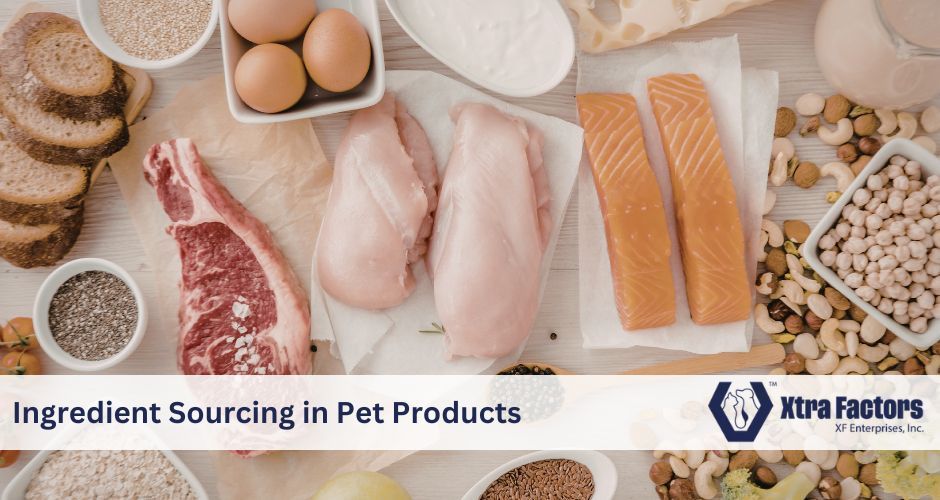
Ingredient sourcing is one of the most important—yet often underappreciated—factors in the pet product industry. Whether it’s supplements, treats, functional foods, or topical products, the quality of the final product is directly tied to the quality of the ingredients used to make it. As pet owners become more informed and selective, expectations have shifted. It’s no longer enough for a product to simply meet basic standards—it needs to be consistent, safe, effective, and trustworthy. That level of quality doesn’t start in the formulation room or on the production line. It starts at the source. Understanding ingredient sourcing requires looking at the broader industry, the structure of a reliable supply chain, and how companies like Xtra Factors apply these principles to consistently deliver high-quality pet products. Ingredient Sourcing in the Modern Pet Industry The pet industry has experienced rapid growth in recent years, expanding far beyond traditional kibble and into a wide range of specialized products. With that growth has come increased complexity in ingredient sourcing. Many ingredients used across pet products are sourced globally. Fish oils may come from South America, botanical extracts from Asia, and proteins from multiple regions depending on availability and cost. While global sourcing allows access to a wide variety of materials, it also introduces variability that can impact product quality. Two ingredients with the same name can differ significantly depending on their origin, processing method, and level of refinement. For example, oils can vary in oxidation levels, plant-based ingredients can differ in active compound concentration, and proteins can vary in digestibility and flavor. These differences are not always visible on a label, but they directly affect performance. This creates several challenges for manufacturers: Inconsistent quality from batch to batch Risk of contaminants such as heavy metals, pesticides, or microbial exposure Variability in effectiveness and bioavailability Changes in taste, smell, or texture that affect palatability At the same time, competitive pricing pressures can push companies toward lower-cost sourcing decisions. While these ingredients may meet minimum specifications, they often lack the consistency and reliability needed to produce truly high-quality products. As a result, ingredient sourcing has become a defining factor in brand trust. Consumers are increasingly looking for transparency, consistency, and accountability in the products they choose for their pets. Building a Reliable and High-Quality Supply Chain A strong supply chain is what transforms raw ingredients into dependable, finished products. It’s not just about finding suppliers—it’s about building a system that prioritizes quality, traceability, and consistency at every step. The foundation of any reliable supply chain is supplier qualification. This involves working with partners who have proven standards, consistent production practices, and a willingness to provide full transparency into their processes. Documentation such as certificates of analysis (COAs) is important, but it must be supported by verification through third-party testing and, when possible, supplier audits. Traceability is another critical component. Knowing where an ingredient originates—and how it moves through processing, storage, and transportation—provides a level of control that is essential for maintaining quality. When issues arise, traceability allows for quick identification and resolution, minimizing risk to both the product and the end consumer. Processing and handling also play a major role in ingredient integrity. Exposure to heat, light, oxygen, and moisture can all degrade sensitive compounds. A well-managed supply chain accounts for these factors, ensuring that ingredients maintain their intended functionality from origin to final use. Consistency is the ultimate goal. Achieving it requires: Clearly defined ingredient specifications Routine testing for purity, potency, and safety Strong, long-term supplier relationships Standardized handling and storage protocols When these elements are aligned, manufacturers can produce products that perform the same way every time—something that is critical for both efficacy and consumer confidence. Why Sourcing Impacts More Than Just Quality Ingredient sourcing doesn’t just affect safety and nutrient content—it also influences how a product performs in real-world use. Palatability, for example, is directly tied to ingredient quality. In pet foods and treats, the source and quality of proteins and fats significantly impact taste and aroma. In supplements and functional products, ingredient purity and processing can influence texture, smell, and overall acceptance—especially in more selective animals like cats. Sourcing also affects formulation efficiency. Higher-quality, more consistent ingredients often allow for better bioavailability, meaning pets can absorb and utilize nutrients more effectively. This can reduce the need for excessive inclusion rates or unnecessary fillers, resulting in cleaner, more purposeful formulations. In short, better sourcing leads to better-performing products—not just on paper, but in everyday use. The Xtra Factors Approach to Ingredient Sourcing At Xtra Factors, ingredient sourcing is treated as a core part of product development across all pet product categories—not just supplements. Every product begins with a simple principle: the final result can only be as good as the ingredients behind it. Instead of chasing trends or prioritizing cost alone, Xtra Factors focuses on functional, high-quality ingredients that deliver consistent results. Each ingredient is evaluated based on its origin, processing method, and ability to contribute meaningful value to the final product. Supplier relationships are carefully selected and maintained to ensure long-term reliability. By working with trusted partners and continuously verifying quality through testing and documentation, Xtra Factors minimizes variability and maintains strict control over ingredient integrity. This approach also supports better formulation and production outcomes. With higher-quality inputs, products are more consistent, more effective, and more palatable—whether they are supplements, treats, or other functional pet products. Most importantly, this commitment to sourcing creates a level of trust. Customers can feel confident that every product is built on a foundation of quality, transparency, and purpose. Final Thoughts Ingredient sourcing is not just one step in the manufacturing process—it is the starting point that defines everything that follows. In an industry where variability is common, a disciplined and thoughtful approach to sourcing is what separates dependable products from inconsistent ones. As the pet industry continues to evolve, the importance of transparency, quality, and supply chain integrity will only grow. Brands that invest in these areas will be better equipped to meet the expectations of today’s pet owners. At Xtra Factors, that investment begins at the source—and carries through every stage of product development, ensuring that quality is never left to chance.

In today’s pet industry, standing still is not an option. Ingredient markets fluctuate, new research emerges, consumer expectations evolve, and competition intensifies. Reformulating an existing pet product is often one of the most strategic moves a brand can make—not because something is “wrong,” but because something could be better. Whether your goal is improving performance, protecting margins, enhancing label appeal, or navigating supply chain volatility, a thoughtful reformulation can strengthen your product without compromising brand integrity. The key is approaching the process strategically rather than reactively. Why Brands Choose to Reformulate Reformulation is rarely about cutting corners. In most successful cases, it’s about optimization. Performance improvements may stem from new research on ingredient bioavailability or synergy. For example, a joint formula that once relied primarily on glucosamine may perform better when supported by collagen peptides, postbiotics, or plasma proteins that influence connective tissue health differently. Similarly, improvements in omega stability or antioxidant systems can extend shelf life and maintain potency. Cost efficiency, on the other hand, is often driven by: Volatile raw material pricing Supplier changes or availability issues Over-fortification beyond what is physiologically necessary Redundant ingredients providing overlapping benefits The best reformulations improve both efficacy and economics simultaneously. Step 1: Clarify the Objective Before touching the formula, define the primary goal: Are you trying to reduce COGS by 5%? 15%? Are you improving functional outcomes (e.g., mobility scores, skin condition)? Are you simplifying the label? Are you preparing for scale? Without a clear objective, reformulation becomes guesswork. For example, if performance is the goal, the benchmark may be improved clinical markers or customer feedback. If cost control is the goal, you may accept equal performance at a lower cost rather than enhanced outcomes. Step 2: Audit the Current Formula A thorough formula audit often reveals hidden inefficiencies. Ask: Are any ingredients included at “label dressing” levels? Are certain nutrients redundant? Is the dosage aligned with current research? Are you using the most bioavailable form of each mineral or vitamin? In pet supplements especially, brands sometimes layer multiple ingredients targeting the same pathway. For example, in joint products, glucosamine, MSM, turmeric, and green-lipped mussel may all be present—but not all at clinically meaningful inclusion rates. Reformulation may mean increasing one at an effective dose while removing another that adds cost without measurable benefit. Similarly, mineral forms matter. Switching from one zinc salt to another with different concentration or bioavailability can reduce inclusion rate while maintaining specification compliance. Step 3: Evaluate Ingredient Function, Not Just Inclusion Every ingredient should justify its presence based on function, not tradition. Consider: Mechanism of action Bioavailability Stability in your specific format (chew, powder, soft gel, liquid) Compatibility with other ingredients Impact on palatability For example, some postbiotics offer more stable immune modulation than live probiotics in high-heat processes. Certain chelated minerals may allow lower inclusion rates while maintaining efficacy. Collagen sources differ significantly in molecular weight and absorption characteristics. Reformulation is an opportunity to shift from “what’s always been used” to “what performs best in this system.” Step 4: Protect Regulatory and Nutritional Compliance If your product aligns with standards from organizations like the Association of American Feed Control Officials (AAFCO), you must ensure reformulation maintains compliance. Changes that seem small—such as swapping a vitamin premix source—can alter guaranteed analysis values. Always verify: Guaranteed analysis still meets label claims Nutrient minimums/maximums remain within safe ranges Ingredient statements remain accurate and in correct order Claims remain substantiated If ingredient order changes due to inclusion adjustments, transparency with customers is critical—even if the nutritional specs remain identical. Step 5: Model the Cost Impact Properly Cost savings should be modeled holistically, not ingredient by ingredient. Include: Raw material cost Freight changes Minimum order quantities Manufacturing impact (flowability, dusting, processing time) Stability and shelf-life implications Packaging interactions For example, a more concentrated ingredient may cost more per pound but reduce inclusion rate, freight weight, and storage space—ultimately lowering total cost per unit. Likewise, improving flow characteristics in powders can reduce manufacturing downtime, which improves efficiency beyond simple ingredient cost reductions. Step 6: Validate Performance If you market your product on functional outcomes—mobility, skin health, digestion—validation matters. Depending on the product category, validation may include: Palatability testing Digestibility trials Stability testing Customer beta testing Veterinary feedback Small-scale pilot runs Even informal field testing can reveal important performance differences before a full rollout. Brands that invest in validation protect themselves from unintended performance decline, which can be far more expensive than ingredient cost savings. Step 7: Manage Communication Strategically Reformulation should not create confusion. If: Guaranteed analysis remains the same Claims remain unchanged Performance is equal or improved Then communication can focus on “enhanced formula” or “improved sourcing.” However, if ingredient order changes or a recognizable ingredient is removed, proactive messaging prevents customer concern. Transparency builds trust, especially in premium pet categories where consumers scrutinize labels closely. Common Reformulation Opportunities in Pet Supplements While each product is unique, some frequent opportunities include: Upgrading mineral forms Switching to more bioavailable chelates may allow lower inclusion levels. Rebalancing joint formulas Shifting emphasis from high-dose glucosamine to collagen peptides, plasma proteins, or omega systems. Replacing live probiotics with postbiotics in heat-processed formats Improves stability and shelf life. Removing redundant antioxidants Optimizing vitamin E and other antioxidant systems instead of stacking multiple sources unnecessarily. Concentrating omega sources Using higher potency fish oil or algae-derived DHA to reduce oil inclusion volume. Each of these can improve either performance, cost efficiency, or both. Risks to Avoid Reformulation becomes problematic when: Cost reduction compromises efficacy Label claims outpace actual inclusion levels Palatability declines Shelf life shortens Regulatory details are overlooked The pet industry is built on trust. Reformulation should strengthen that trust, not undermine it. Reformulation as a Strategic Advantage Brands that treat reformulation as a continuous improvement process—not a one-time fix—tend to outperform competitors over time. Ingredient markets change. Research evolves. Consumer expectations rise. Manufacturing technologies improve. Rather than viewing reformulation as an admission of failure, successful brands see it as refinement—an opportunity to align performance, cost, and science more closely. When done correctly, reformulation does not just reduce costs. It enhances credibility, improves product consistency, protects margins, and reinforces brand positioning in an increasingly competitive marketplace. In a category where pets are family and consumers demand both transparency and results, thoughtful reformulation is not just operational—it’s strategic.
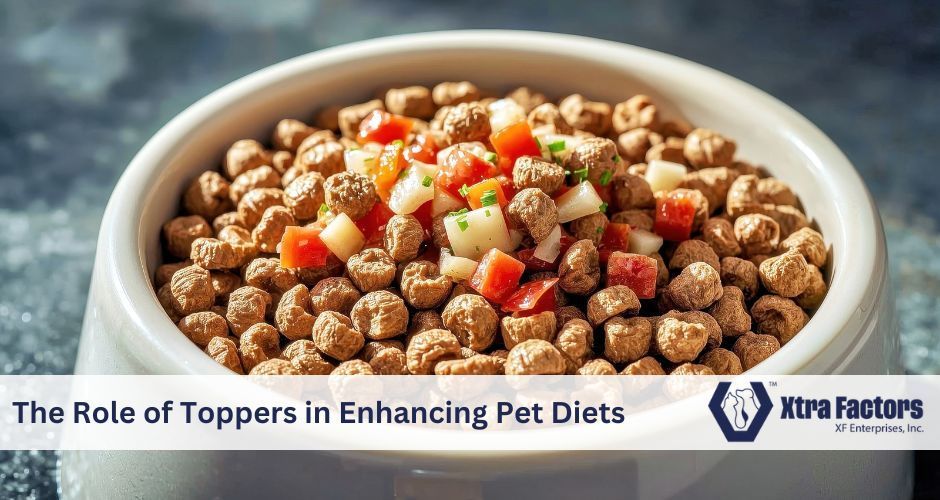
Pet nutrition isn’t one size fits all—and that’s a good thing. Today’s pet parents are paying closer attention to what goes into the bowl. They’re reading labels, asking questions, and looking for ways to support their pets’ health without constantly switching diets. That’s where pet food toppers come in. Once viewed as an indulgence or flavor booster, toppers have evolved into a fast-growing category that blends palatability, functional nutrition, and customization . For brands and formulators, they represent both a major opportunity and a unique set of challenges. At Xtra Factors, we see toppers as more than an add-on—they’re a powerful tool when designed correctly. What Are Pet Food Toppers, Really? Pet food toppers are supplemental products added to a pet’s regular diet. They’re not meant to replace a complete and balanced food, but to enhance it . Toppers can take many forms, including: Powders and meal mixers Freeze-dried or air-dried proteins Broths and gravies Functional blends with vitamins, minerals, or botanicals What makes toppers appealing is their flexibility. They allow pet parents to improve taste, add nutrients, or support specific health goals—without committing to a full diet change. For picky eaters, seniors, pets with sensitivities, or animals needing targeted support, toppers offer an easy solution that fits into everyday feeding routines. Why Toppers Are One of the Fastest-Growing Pet Categories The rise of toppers isn’t random. It reflects broader shifts happening across the pet food industry. Pet Parents Want Personalization Pets aren’t one-size-fits-all, and feeding habits are following suit. Toppers allow owners to customize meals based on age, activity level, health needs, or even seasonal changes—without overhauling the entire diet. Humanization Continues to Shape Purchasing Decisions Pet owners increasingly look for products that resemble human food trends: clean labels, recognizable ingredients, functional benefits, and minimal processing. Toppers fit naturally into this mindset, especially when they include real proteins, whole foods, or functional nutrients. Function Matters More Than Ever Modern toppers aren’t just about flavor. Many are formulated to support digestion, skin and coat health, joint mobility, hydration, or immune function. This shift toward functional toppers has expanded their role from “nice-to-have” to “purpose-driven.” Convenience Without Compromise Freeze-dried and shelf-stable formats offer many of the perceived benefits of fresh or raw feeding—without the storage, safety, or cost concerns. That balance of convenience and quality continues to fuel growth. The Real Benefits of Toppers for Pets When formulated thoughtfully, toppers can deliver meaningful benefits. Improved Palatability Even high-quality diets can fall flat with picky eaters. Toppers enhance aroma, texture, and flavor, encouraging consistent intake—especially for seniors, stressed pets, or animals recovering from illness. Targeted Nutritional Support Toppers allow for focused supplementation without altering the core diet. Whether it’s adding omega-3s for skin health, probiotics for digestion, or joint-support ingredients, toppers provide a controlled way to meet specific needs. Hydration Support Liquid toppers like broths and gravies can increase moisture intake, which is particularly valuable for cats and dogs that don’t drink enough water on their own. Variety Without Overfeeding Rotating toppers can reduce meal fatigue while keeping calories in check—when used properly. This helps maintain long-term interest in meals without encouraging overconsumption. Formulation Challenges Brands Can’t Ignore While toppers are exciting, they also introduce complexities that require careful planning. Maintaining Nutritional Balance Because toppers are supplements, not complete diets, they must be designed to complement existing foods. Over-fortification or repeated use alongside other supplements can create nutrient imbalances if formulations aren’t carefully calibrated. This is especially important with fat-soluble vitamins, minerals, and functional actives. Ingredient Compatibility Toppers often interact with a wide range of base diets—kibble, canned, raw, or fresh. Ingredients must be stable, bioavailable, and compatible across feeding styles, which adds an extra layer to formulation strategy. Regulatory & Labeling Considerations Claims matter. Functional language, ingredient sourcing, and guaranteed analysis must align with regulatory standards. Clear positioning is critical to avoid confusion between treats, toppers, and supplements. Cost vs. Perceived Value Premium ingredients drive consumer interest, but they also impact pricing. Brands must strike the right balance between quality, functionality, and accessibility to succeed in a competitive market. Best Practices for Using Toppers Effectively From both a brand and consumer standpoint, education is key. Toppers should enhance, not replace , complete diets Introductions should be gradual , especially for sensitive pets Portion control matters—toppers still contribute calories Functional ingredients should be purposeful, not excessive Clear feeding guidelines and transparent formulation choices help build trust and long-term brand loyalty. Where the Topper Category Is Headed Looking ahead, toppers are expected to continue evolving alongside consumer expectations. We’re already seeing momentum toward: Condition-specific formulations (digestive, joint, immune, skin & coat) Clean-label and limited-ingredient designs Species- and life-stage-specific blends Synergistic formulas that combine palatability with real nutritional impact As personalization becomes the norm, toppers will play an increasingly central role in pet feeding routines—not as an afterthought, but as an intentional part of the diet. The Xtra Factors Perspective At Xtra Factors, we view toppers as a strategic opportunity—when backed by sound formulation, quality sourcing, and clear purpose. Whether used to improve palatability, deliver functional nutrition, or support evolving feeding trends, toppers can add real value when designed with both pets and pet parents in mind. As the category grows, success will belong to brands that balance innovation with responsibility—creating products that are effective, transparent, and grounded in nutritional science.