The Biggest Pet Nutrition Trends We Saw This Year — and What They Mean for Brands in 2026
As the pet industry closes out another year, one thing is clear: pet nutrition continues to evolve at a rapid pace. Pet parents are more informed, more selective, and more invested in what they feed their animals than ever before. That shift has had a direct impact on how products are formulated, manufactured, and brought to market.
Working behind the scenes with pet brands across food, treats, toppers, and supplements, we’ve had a front-row seat to the changes shaping the industry. Some trends confirmed what we already knew, while others surprised even seasoned professionals.
Looking ahead to 2026, these developments aren’t just interesting — they’re critical for brands planning new product launches, reformulations, or line expansions. Here are the biggest pet nutrition trends we saw this year and what they signal for the year ahead.
Dehydrated and Low-Processing Formats Continue to Gain Momentum
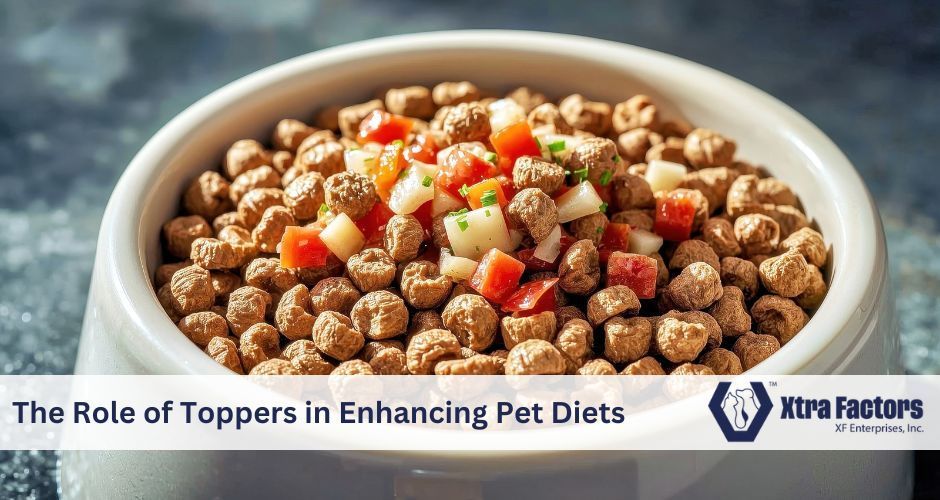
This year reinforced what many brands already suspected: highly processed kibble is losing ground to alternative formats. Dehydrated diets, freeze-dried foods, and gently processed options saw continued growth as pet parents looked for foods that felt closer to “real” ingredients.
The appeal goes beyond nutrition. Shelf-stable dehydrated products solve real problems for consumers — convenience, storage, portability, and safety — without sacrificing quality. For brands, these formats offer differentiation in an increasingly crowded market.
Looking ahead to 2026, expect dehydrated diets to move from “premium niche” to a more mainstream category. Brands that invest early in high-quality formulations and reliable manufacturing partners will be best positioned to scale as demand increases.
Functional Nutrition Is No Longer Optional
One of the most noticeable shifts this year was how quickly functional benefits became an expectation rather than a bonus. Joint support, gut health, skin and coat, immune support, and cognitive health are no longer confined to supplements alone — they’re showing up directly in foods, treats, and toppers.
Pet parents are connecting the dots between nutrition and long-term health. They want products that do something specific, not just meet basic nutritional requirements. This has pushed brands to think more intentionally about ingredient selection, inclusion rates, and scientific support behind their claims.
As we move into 2026, brands that can clearly communicate why an ingredient is included — and what benefit it provides — will stand out. Functional formulation is becoming less about marketing language and more about measurable value.
Ingredient Transparency Has Become a Trust Signal
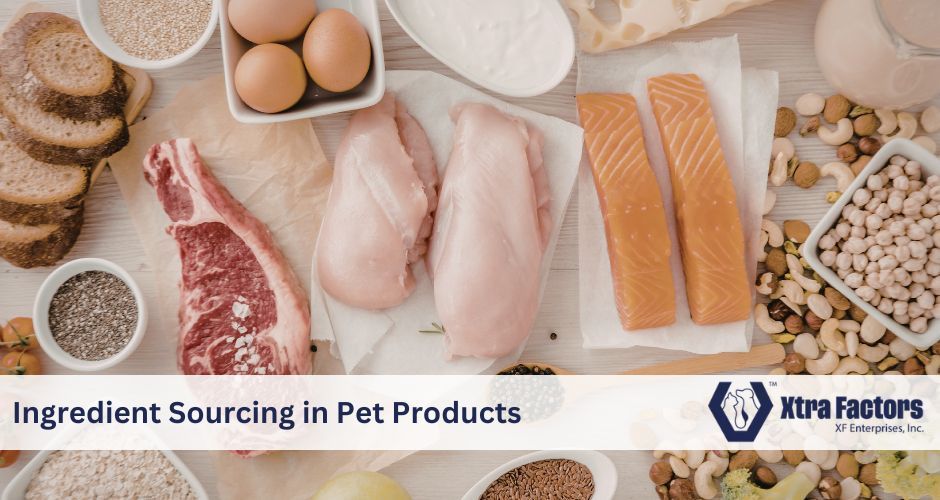
This year made it clear that pet parents don’t just read labels — they scrutinize them. Where ingredients come from, how they’re processed, and why they’re included all matter more than ever.
We’ve seen growing demand for simple, recognizable ingredient lists, along with increased interest in sourcing transparency. Consumers want to understand not just what’s in the product, but how it fits into their pet’s overall health.
For brands, this means working closely with manufacturers who can provide documentation, sourcing clarity, and consistent ingredient quality. Transparency isn’t just a marketing strategy — it’s a requirement for building long-term trust.
Looking to 2026, brands that invest in traceability and education will have a major advantage over those relying on vague or outdated labeling practices.
Supplements Are Becoming More Sophisticated
Pet supplements have been around for decades, but this year marked a noticeable shift toward more advanced, targeted formulations. Pet parents are moving away from generic “multivitamins” and gravitating toward condition-specific solutions with thoughtfully selected actives.
This has raised the bar for supplement manufacturing. Precision dosing, ingredient stability, and bioavailability matter more than ever. At the same time, palatability remains critical — no benefit matters if pets won’t consume the product.
Heading into 2026, successful supplement brands will balance science with usability. That means clean formulations, clear purpose, and formats that integrate seamlessly into daily feeding routines.
Clean Labels Are Influencing Every Category
“Clean label” has evolved from a buzzword into a purchasing decision driver. Pet parents are questioning artificial colors, unnecessary fillers, and overly complex formulations. This has affected everything from treats to toppers to complete diets.
This year, we saw more brands rethinking ingredient decks to remove what doesn’t serve a nutritional purpose. Simplification, when done correctly, has become a form of premium positioning.
As brands plan for 2026, clean labels will continue to shape formulation decisions — but success will depend on striking the right balance between simplicity, functionality, and shelf stability.
Supply Chain Awareness Is Changing How Brands Plan
If there’s one operational lesson this year reinforced, it’s the importance of supply chain resilience. Ingredient availability, pricing volatility, and lead times continue to impact product development decisions.
Brands that built flexibility into their formulations and worked closely with manufacturing partners were better equipped to adapt. Those relying on rigid recipes or single-source ingredients often faced delays or reformulation challenges.
Looking forward, smart brands are planning product lines with adaptability in mind. This doesn’t mean compromising quality — it means designing formulas that can evolve without disrupting consistency or consumer trust.
Premiumization Continues — Even in a Cost-Conscious Market
Despite economic uncertainty, premium pet products continue to perform strongly. Pet parents may cut back elsewhere, but they remain willing to invest in food and supplements they believe support their pet’s health and longevity.
This trend highlights an important insight for brands heading into 2026: premium doesn’t just mean expensive. It means intentional — in ingredients, sourcing, formulation, and manufacturing.
Brands that clearly articulate their value proposition and deliver on it consistently will continue to thrive, even as competition increases.
What These Trends Mean for Pet Brands in 2026
Taken together, this year’s trends point toward a future where pet nutrition is more thoughtful, transparent, and purpose-driven than ever before. Brands planning for 2026 should consider:
- Investing in formats that balance nutrition with convenience
- Building functionality into foods, treats, and supplements
- Prioritizing ingredient transparency and education
- Partnering with manufacturers who support innovation and scalability
- Designing products with flexibility to adapt to changing markets
The brands that succeed won’t be the ones chasing every trend — they’ll be the ones making intentional choices aligned with consumer expectations and operational reality.
Looking Ahead
As the pet industry continues to mature, the gap between average products and exceptional ones is widening. Pet parents are paying attention, asking better questions, and rewarding brands that meet them with honesty and quality.
At Xtra Factors, we believe the future of pet nutrition lies in collaboration — between brands, manufacturers, formulators, and ultimately, pet parents. The trends we’ve seen this year reinforce that belief and offer a clear roadmap for what comes next.
2026 is already taking shape. The question for pet brands is simple: are you ready to meet it?