January 26, 2026
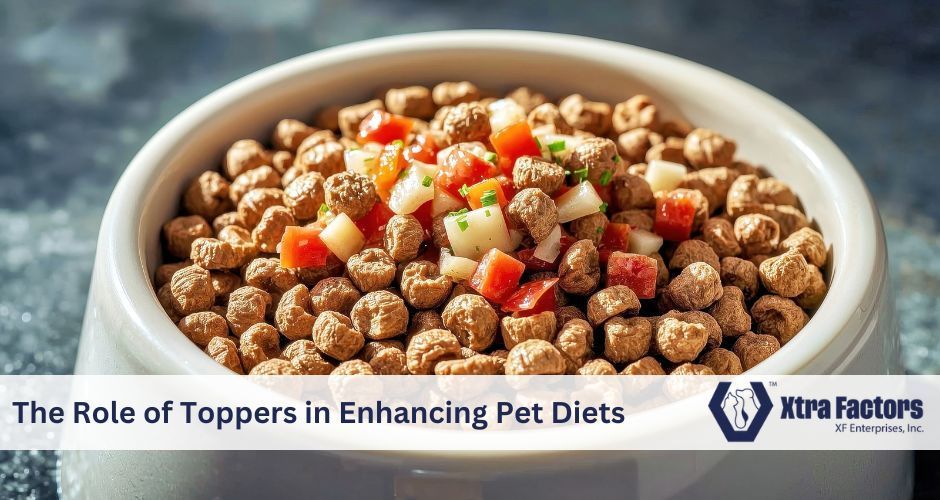
Pet nutrition isn’t one size fits all—and that’s a good thing. Today’s pet parents are paying closer attention to what goes into the bowl. They’re reading labels, asking questions, and looking for ways to support their pets’ health without constantly switching diets. That’s where pet food toppers come in. Once viewed as an indulgence or flavor booster, toppers have evolved into a fast-growing category that blends palatability, functional nutrition, and customization . For brands and formulators, they represent both a major opportunity and a unique set of challenges. At Xtra Factors, we see toppers as more than an add-on—they’re a powerful tool when designed correctly. What Are Pet Food Toppers, Really? Pet food toppers are supplemental products added to a pet’s regular diet. They’re not meant to replace a complete and balanced food, but to enhance it . Toppers can take many forms, including: Powders and meal mixers Freeze-dried or air-dried proteins Broths and gravies Functional blends with vitamins, minerals, or botanicals What makes toppers appealing is their flexibility. They allow pet parents to improve taste, add nutrients, or support specific health goals—without committing to a full diet change. For picky eaters, seniors, pets with sensitivities, or animals needing targeted support, toppers offer an easy solution that fits into everyday feeding routines. Why Toppers Are One of the Fastest-Growing Pet Categories The rise of toppers isn’t random. It reflects broader shifts happening across the pet food industry. Pet Parents Want Personalization Pets aren’t one-size-fits-all, and feeding habits are following suit. Toppers allow owners to customize meals based on age, activity level, health needs, or even seasonal changes—without overhauling the entire diet. Humanization Continues to Shape Purchasing Decisions Pet owners increasingly look for products that resemble human food trends: clean labels, recognizable ingredients, functional benefits, and minimal processing. Toppers fit naturally into this mindset, especially when they include real proteins, whole foods, or functional nutrients. Function Matters More Than Ever Modern toppers aren’t just about flavor. Many are formulated to support digestion, skin and coat health, joint mobility, hydration, or immune function. This shift toward functional toppers has expanded their role from “nice-to-have” to “purpose-driven.” Convenience Without Compromise Freeze-dried and shelf-stable formats offer many of the perceived benefits of fresh or raw feeding—without the storage, safety, or cost concerns. That balance of convenience and quality continues to fuel growth. The Real Benefits of Toppers for Pets When formulated thoughtfully, toppers can deliver meaningful benefits. Improved Palatability Even high-quality diets can fall flat with picky eaters. Toppers enhance aroma, texture, and flavor, encouraging consistent intake—especially for seniors, stressed pets, or animals recovering from illness. Targeted Nutritional Support Toppers allow for focused supplementation without altering the core diet. Whether it’s adding omega-3s for skin health, probiotics for digestion, or joint-support ingredients, toppers provide a controlled way to meet specific needs. Hydration Support Liquid toppers like broths and gravies can increase moisture intake, which is particularly valuable for cats and dogs that don’t drink enough water on their own. Variety Without Overfeeding Rotating toppers can reduce meal fatigue while keeping calories in check—when used properly. This helps maintain long-term interest in meals without encouraging overconsumption. Formulation Challenges Brands Can’t Ignore While toppers are exciting, they also introduce complexities that require careful planning. Maintaining Nutritional Balance Because toppers are supplements, not complete diets, they must be designed to complement existing foods. Over-fortification or repeated use alongside other supplements can create nutrient imbalances if formulations aren’t carefully calibrated. This is especially important with fat-soluble vitamins, minerals, and functional actives. Ingredient Compatibility Toppers often interact with a wide range of base diets—kibble, canned, raw, or fresh. Ingredients must be stable, bioavailable, and compatible across feeding styles, which adds an extra layer to formulation strategy. Regulatory & Labeling Considerations Claims matter. Functional language, ingredient sourcing, and guaranteed analysis must align with regulatory standards. Clear positioning is critical to avoid confusion between treats, toppers, and supplements. Cost vs. Perceived Value Premium ingredients drive consumer interest, but they also impact pricing. Brands must strike the right balance between quality, functionality, and accessibility to succeed in a competitive market. Best Practices for Using Toppers Effectively From both a brand and consumer standpoint, education is key. Toppers should enhance, not replace , complete diets Introductions should be gradual , especially for sensitive pets Portion control matters—toppers still contribute calories Functional ingredients should be purposeful, not excessive Clear feeding guidelines and transparent formulation choices help build trust and long-term brand loyalty. Where the Topper Category Is Headed Looking ahead, toppers are expected to continue evolving alongside consumer expectations. We’re already seeing momentum toward: Condition-specific formulations (digestive, joint, immune, skin & coat) Clean-label and limited-ingredient designs Species- and life-stage-specific blends Synergistic formulas that combine palatability with real nutritional impact As personalization becomes the norm, toppers will play an increasingly central role in pet feeding routines—not as an afterthought, but as an intentional part of the diet. The Xtra Factors Perspective At Xtra Factors, we view toppers as a strategic opportunity—when backed by sound formulation, quality sourcing, and clear purpose. Whether used to improve palatability, deliver functional nutrition, or support evolving feeding trends, toppers can add real value when designed with both pets and pet parents in mind. As the category grows, success will belong to brands that balance innovation with responsibility—creating products that are effective, transparent, and grounded in nutritional science.